Business Name: FootPrints Home Care
Address: 4811 Hardware Dr NE d1, Albuquerque, NM 87109
Phone: (505) 828-3918
FootPrints Home Care
FootPrints Home Care offers in-home senior care including assistance with activities of daily living, meal preparation and light housekeeping, companion care and more. We offer a no-charge in-home assessment to design care for the client to age in place. FootPrints offers senior home care in the greater Albuquerque region as well as the Santa Fe/Los Alamos area.
4811 Hardware Dr NE d1, Albuquerque, NM 87109
Business Hours
Monday thru Sunday: 24 Hours
Facebook: https://www.facebook.com/FootPrintsHomeCare/
Instagram: https://www.instagram.com/footprintshomecare/
LinkedIn: https://www.linkedin.com/company/footprints-home-care
Supporting aging parents in your home is hardly ever a single choice. It is a series of discussions, small modifications, and course corrections as needs alter. Households usually reach home care after a fall, a near-miss while driving, a worrisome health center discharge, or the sluggish awareness that isolation is taking its toll.
Handled well, in-home senior care can extend self-reliance by years, keep familiar routines undamaged, and ease household caregivers from attempting to do everything themselves. Managed inadequately, it can lead to burnout, unsafe scenarios, or parents who feel removed of control.
This guide strolls through the practical side of home care for parents, with a focus on safety and companionship, and with some specific notes for families considering Albuquerque home care and similar communities.
Facing the Turning Point: When Home Care Becomes Necessary
Most households wait longer than they should to look at senior home care. That delay typically comes from love and fear in equal step. Parents wish to avoid sensation like a problem. Adult children do not want to upset them or appear pushy. So everybody silently compensates till the scenario slips from "a bit risky" to "one bad day away from an emergency."
A few signs tend to appear consistently in homes where elder care assistance is past due:
You notification ruined food in the fridge and missed out on medications. The house, once neat, has jumbled walkways or piles of unopened mail. A parent stops driving at night or entirely, then starts missing social events. You see inexplicable contusions, or they shake off near-falls with "I'm fine, I just lost my balance."
These pictures matter less as separated occurrences and more as patterns. When several of them surface over a few months, it is time to look seriously at in-home care alternatives, even if your parent strongly says they are "managing all right."
In my experience, starting that discussion early and carefully, before a crisis, is among the kindest things you can do.
What "Home Care" In Fact Covers
Families frequently utilize "home care" as a catch-all phrase, however it assists to distinguish the primary types. The best mix depends upon medical requirements, movement, cognition, and family support.
Non-medical home care is what the majority of people mean by in-home care. A caregiver visits to aid with everyday tasks such as bathing, dressing, preparing meals, light housekeeping, errands, and, notably, companionship. They do not supply skilled nursing, but they might remind about medications, accompany to consultations, and watch for modifications in condition.
Home healthcare is clinical and usually ordered by a physician after a hospital stay or for ongoing conditions. A nurse or therapist concerns the home to manage injuries, IVs, injections, physical treatment, or intricate medical routines. It is time-limited and concentrated on specific health goals.
Hybrid plans are common. A parent might receive short-term home health care after surgical treatment, while non-medical senior home care continues afterward to keep safety and routine.
There are likewise live-in or ongoing at home senior care choices, which can be more cost-efficient than 24-hour hourly care if a parent requires continuous existence however not constant hands-on assistance.
In locations like Albuquerque, where ranges can be long and public transport restricted for seniors, trusted in-home care can bridge the gap in between total independence and a transfer to assisted living.
Balancing Safety and Independence
The hardest tension in elder care is in between keeping a parent safe and respecting their autonomy. A perfectly "safe" environment that strips away all self-reliance generally backfires. People end up being depressed, less inspired, and sometimes more confused.
A much better objective is "safe sufficient" with supports that maintain what your parent can still do. That implies personalizing the level of aid to their actual abilities, not their age on paper or your worst fears.
For example, a parent with mild balance issues who still delights in cooking might accept aid with grocery shopping, heavy lifting, and reaching high shelves, while continuing to prepare simple meals. A caregiver can set up active ingredients and remain nearby in case of problem, instead of taking control of the kitchen entirely.
The discussion is not "You can't do this any longer." It is "Let's make it much easier and less risky so you can keep enjoying it for longer."
A Practical Home Safety Scan
Before taking in elder care assistance, or as part of beginning it, stroll through the home with a critical eye. Envision your parent getting up during the night, utilizing the bathroom, grabbing a snack, addressing the door, and dealing with a small emergency. Every step that feels uncomfortable to you will be harder for somebody with limited strength, vision, or balance.
Here is a compact safety checklist you can adapt to your parent's home:
- Entryways: Exist secure railings, non-slip mats, and excellent lighting at all doors? Can emergency responders easily access the home if needed? Floors and pathways: Are cords, loose carpets, or animal toys in courses where your parent strolls? Is there clear space around the bed and preferred chair? Bathrooms: Are grab bars installed near the toilet and inside the shower or tub? Is there a shower chair or non-slip surface? Lighting: Are corridors, stairs, and the path to the bathroom well lit at night with obtainable switches or nightlights? Emergency preparedness: Is there a phone or call gadget within reach from bed and main seating locations, with emergency numbers clearly visible?
A reputable home care agency will typically perform its own home safety assessment as part of the intake procedure. If you are setting up personal care, you can ask the caregiver to stroll through the home with you throughout the first visit and explain extra concerns from their perspective.
In Albuquerque and other high-desert locations, add weather-related issues to your scan. Heat can be a serious risk for older adults. Inspect whether the home stays fairly cool in summer, your parent comprehends how to use cooling systems, and someone is keeping an eye on during heat waves.
The Typically Overlooked Threat: Loneliness
Families usually focus initially on physical safety: falls, medication management, driving. That is reasonable. Yet the quiet risk in lots of homes is isolation.
Several studies have linked persistent loneliness in older adults to higher risks of anxiety, cognitive decline, and even death. You do not need the stats to notice it, however. Ask a parent about their week and listen for how often they say "nothing much" or point out seeing pals, neighbors, or family.
Retirement, the death of peers, restricted driving, and mobility problems can shrink the world of an older grownup to a few spaces and a television. That is where companionship-focused home care for parents becomes so powerful.
A good caregiver does more than tasks. They end up being a routine social connection. They might prepare a preferred conventional meal with your parent, aid tend to a plant on the outdoor patio, check out old picture albums, go for brief strolls, or simply offer a ready ear for stories your parent has told often times before. Those interactions matter as much as the tidy laundry and prepared meals.
I have actually seen proud, reserved parents withstand the idea of a "caretaker," just to later on refer to them warmly as their "assistant" or even "buddy," once they recognize the relationship is about partnership, not control.
When Memory Issues Complicate the Picture
Dementia and other cognitive modifications do not remove a person's preferences, but they do change how you approach safety and companionship.
For a parent with early-stage amnesia, in-home senior care can extend the time they can remain in familiar environments. Caregivers can:
- structure the day with a basic regimen, prompt medications and meals, gently redirect recurring concerns without inflammation, and monitor risky tasks like cooking with the stove.
Once wandering, regular nighttime confusion, or aggression appear, the care strategy frequently requires to move. At that point, many families consider over night care, door alarms, or safe and secure yards for those who take pleasure in walking.
In Albuquerque, where daytime temperatures differ and some communities have busy roads nearby, wandering carries special risk. Agencies with memory-care experience will usually recommend useful tools such as ID bracelets, door chimes, and simple, constant visual cues inside the home to assist your parent to the restroom, bedroom, and kitchen.
With cognitive decline, companionship becomes more about existence than discussion. A caretaker who can sit calmly through duplicated stories, involve your parent in small tasks like folding towels, and notification nonverbal signs of pain adds genuine quality to each day.
Family Caregivers: Limits, Guilt, and Sensible Roles
Adult kids often start as the primary caretakers before reaching out for official elder care. They drop in daily, do grocery runs, coordinate medications, drive to appointments, and deal with documentation. Numerous hold full-time tasks and care for kids of their own.
At initially, this can feel manageable. With time, it becomes a second shift. Sleep, health, and relationships suffer. Bitterness sneaks in, usually combined with guilt, due to the fact that "it is my parent, I should be able to do this."
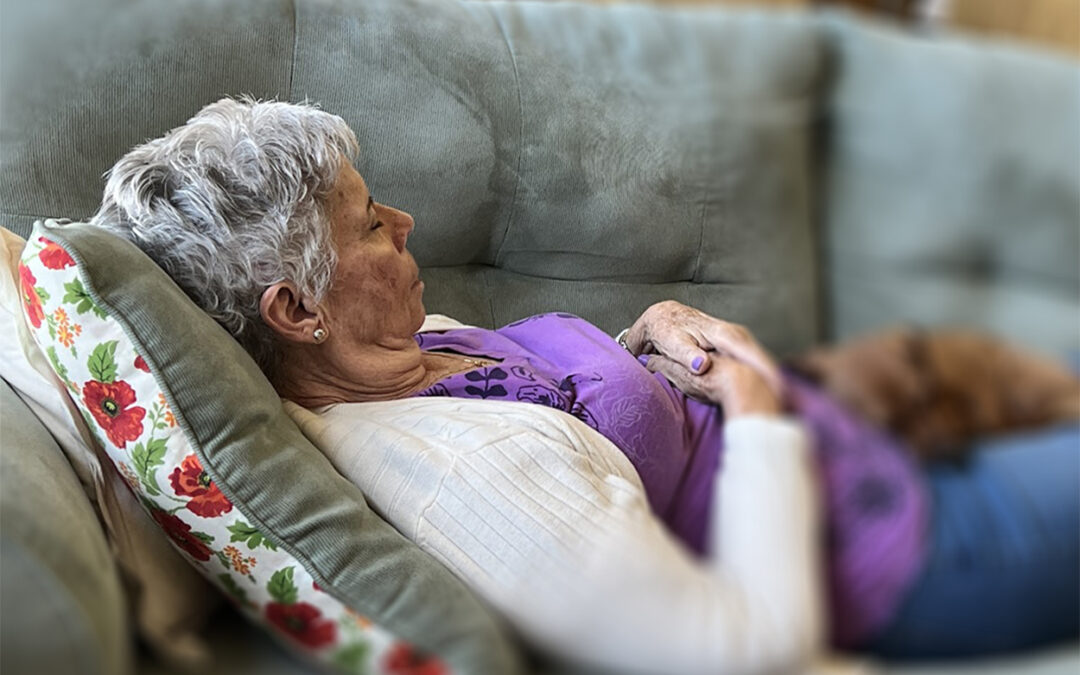
One of the most important functions of in-home care is not just helping the parent, however redefining the adult kid's function. Rather of being the housemaid, nurse, and chauffeur, you can end up being the son or daughter again. You visit to share a meal, bring the grandkids, or go through old images, understanding the daily tasks are covered.
Caregiving capacity has limits. Neglecting those limits does not make you more loving. It makes you more likely to end up being ill or impatient, which in turn damages the very parent you are attempting to secure. Bringing in senior home care is not abandonment. It is an investment in a more sustainable, gentle arrangement for everyone.
Choosing an In-Home Care Company Wisely
Not all home care firms, and not all specific caretakers, are alike. The relationship will be intimate. This person or team will see inside your parent's every day life, notice vulnerable minutes, and often end up being an extension of the household. Due diligence is not optional.
When screening firms or independent caretakers, utilize a short, focused set of questions:
- What particular services are consisted of, and what is outside the scope of their role? How do they screen, train, and supervise caregivers? How do they handle schedule changes, caretaker disease, and emergencies? What is their experience with your parent's particular conditions, such as Parkinson's, diabetes, or dementia? How do they interact with household, specifically if something appears wrong?
In Albuquerque and comparable cities, you will see a mix of nationwide franchise firms, local business, and independent caretakers who work independently. Each path has compromises.
Agencies generally offer background-checked staff, backup protection, and liability insurance coverage. Communication channels tend to be clearer. The drawback can be greater hourly cost and occasional caretaker turnover.
Independent caretakers might cost less and offer more versatile functions, but you presume duty for vetting, payroll, taxes, and backup strategies. You also need to think about what takes place if your caregiver is ill or has a family emergency. Some households mix both: a company for trustworthy standard protection, plus a relied on private caretaker for extra hours.
Whenever possible, include your parent in the last option. Even a brief meet-and-greet before beginning regular shifts can reveal a lot about character fit. A technically experienced caretaker who rubs your parent the incorrect way will not work long term.
Setting Expectations and House Rules
Starting home look after parents is smoother when expectations are specific. Many early conflicts develop not from major arguments, but from unmentioned assumptions.
If your parent frowns at "a stranger touching my things," work out which tasks feel comfortable. Maybe they choose to continue managing their individual documents but are great with aid in the cooking area. If modesty is an issue, begin with same-gender caregivers for bathing and dressing till trust develops.
Clarify practical points: where the caregiver can park, which doors to utilize, how to deal with secrets or alarm systems, and where cleaning supplies are stored. Make it clear who they ought to call for what: a medical emergency, a transport concern, a scheduling issue.
I often recommend families write a one-page "house guide" that covers:
Their parent's everyday regimen, preferences, and quirks.
Secret contacts with phone numbers. Any health red flags that require instant calls. Simple notes on food preferences and cultural or religious considerations.This turns unclear expectations into something concrete the caregiver can reference. It likewise indicates respect. You are welcoming them into a current world, not expecting them to guess the rules.
Money, Insurance coverage, and What Is Realistic
Paying for at home elder care is challenging for numerous households. In the United States, standard Medicare covers home healthcare in restricted circumstances, however it normally does not spend for non-medical in-home senior care like assist with bathing, cooking, or companionship.
Some Medicare Advantage plans and long-lasting care insurance coverage use partial protection for non-medical home care, but eligibility and advantages vary widely. Veterans and their spouses might qualify for support through particular VA programs. Medicaid might cover senior home take care of those with low incomes and possessions, specifically through waiver programs, but once again the specifics are state-dependent.
In Albuquerque and across New Mexico, home care hourly rates frequently reflect local labor markets and cost of living. Agencies might require a minimum variety of hours per visit or per week. Before dedicating, draw up what you can realistically manage each month and over a year, not just what feels possible this week.
Families in some cases start with fewer hours than they ultimately need, meaning to "see how it goes," then discover themselves in a crisis and rushing to include more coverage quickly. A more steady strategy is to specify tiers:
Baseline coverage that is sustainable long term, such as mornings three days a week.
An intermediate level you can add momentarily after hospitalizations or during family travel. An optimal level that would trigger a re-evaluation of whether staying at home still makes sense.
Thinking in tiers assists you anticipate both expenses and decision points, rather of wandering into greater levels of care without noticing the financial impact.
Specific Considerations for Albuquerque Home Care
Every community shapes senior home care in its own way. For Albuquerque and comparable Southwestern cities, a couple of useful points are worthy of emphasis.
Climate is a significant factor. High summer temperature levels, intense sun, and often bad air quality throughout fire season can all impact older grownups. When speaking with companies or caretakers, ask how they keep an eye on heat threats, motivate hydration, and adjust activities seasonally. Something as basic as a caregiver making certain your parent has fresh water within reach and closing blinds during peak heat can avoid serious problems.
Geography matters. Albuquerque's spread-out neighborhoods mean transport is important for medical visits, grocery shopping, and social visits. Validate whether caretakers can drive your parent, what insurance coverage covers transport, and how far they are willing to take a trip. If your parent has favorite locations, such as a specific church, senior center, or park, include those destinations in the care plan.
Cultural context also forms expectations. Albuquerque has deep Hispanic and Native neighborhoods where multigenerational households and strong household caregiving traditions are common. This can make accepting outside aid feel like a betrayal of family task. If that resonates, frame home care not as changing the household, but as supporting it: "We desire you to have someone with you when we can not be here, so we can all feel more at ease."
Many local senior centers, faith neighborhoods, and neighborhood watch in and around Albuquerque also use social programs, workout classes, and meal services. An attentive caretaker can help bridge your parent into those activities, producing a wider network of connection beyond the home.
Building a Sustainable Care Plan
Home take care of parents is not a one-time setup. Needs change. Caretakers alter. Budget plans shift. The most stable plans are treated as living systems instead of fixed contracts.
Plan for routine check-ins. Once a month, or at least quarterly, take a seat with your parent, the main caregiver or agency representative, and essential member of the family. Review what is working, what feels invasive, what safety concerns have emerged, and whether hours or tasks need adjustment.
Watch for subtle changes. A parent who as soon as walked unassisted now grabs furniture more often. The once-used stove stays cold, and microwave meals pile up. Or possibly your parent ends up being more withdrawn despite the fact that physical requirements seem stable. Each of these signals may indicate a different modification: more movement support, more meal assistance, or more intentional companionship and activities.
Remember that stopping or minimizing home care later on is not failure. Some parents gain back strength after rehabilitation or adapt to new routines and require less assistance. Others advance to a point where assisted living or memory care is the kinder choice for safety and guidance. The measure of success is not "keeping them in your home at all expenses," but aligning assistance with their current needs and dignity.
Bringing It Back to What Matters
Behind the logistics of elder care, the lists and interviews and schedules, there is typically a basic desire: you desire your parent to be safe and not alone, without losing themselves in the process.
Thoughtful home look after parents can meet that desire generally. It suggests making the effort to comprehend what "home" really indicates to them, which routines anchor their days, what small satisfaction brighten their state of mind, and what fears they bring about aging.

Safety steps like grab bars, clear sidewalks, and medication tips reduce intense risks. Companionship, whether through family, next-door neighbors, or trusted caregivers, protects versus the slower, quieter threats of seclusion and despair.
No care plan will ever be perfect, and there will be hard days. Yet with sensible expectations, a desire to adjust, and the best support group, at home senior care can honor both your parent's independence and their requirement for defense. You are passing by in between love and usefulness. https://footprintshomecare.com/senior-home-care/adl-assistance/ You are using practical tools to reveal love in a way that can endure.
FootPrints Home Care is a Home Care Agency
FootPrints Home Care provides In-Home Care Services
FootPrints Home Care serves Seniors and Adults Requiring Assistance
FootPrints Home Care offers Companionship Care
FootPrints Home Care offers Personal Care Support
FootPrints Home Care provides In-Home Alzheimer’s and Dementia Care
FootPrints Home Care focuses on Maintaining Client Independence at Home
FootPrints Home Care employs Professional Caregivers
FootPrints Home Care operates in Albuquerque, NM
FootPrints Home Care prioritizes Customized Care Plans for Each Client
FootPrints Home Care provides 24-Hour In-Home Support
FootPrints Home Care assists with Activities of Daily Living (ADLs)
FootPrints Home Care supports Medication Reminders and Monitoring
FootPrints Home Care delivers Respite Care for Family Caregivers
FootPrints Home Care ensures Safety and Comfort Within the Home
FootPrints Home Care coordinates with Family Members and Healthcare Providers
FootPrints Home Care offers Housekeeping and Homemaker Services
FootPrints Home Care specializes in Non-Medical Care for Aging Adults
FootPrints Home Care maintains Flexible Scheduling and Care Plan Options
FootPrints Home Care is guided by Faith-Based Principles of Compassion and Service
FootPrints Home Care has a phone number of (505) 828-3918
FootPrints Home Care has an address of 4811 Hardware Dr NE d1, Albuquerque, NM 87109
FootPrints Home Care has a website https://footprintshomecare.com/
FootPrints Home Care has Google Maps listing https://maps.app.goo.gl/QobiEduAt9WFiA4e6
FootPrints Home Care has Facebook page https://www.facebook.com/FootPrintsHomeCare/
FootPrints Home Care has Instagram https://www.instagram.com/footprintshomecare/
FootPrints Home Care has LinkedIn https://www.linkedin.com/company/footprints-home-care
FootPrints Home Care won Top Work Places 2023-2024
FootPrints Home Care earned Best of Home Care 2025
FootPrints Home Care won Best Places to Work 2019
People Also Ask about FootPrints Home Care
What services does FootPrints Home Care provide?
FootPrints Home Care offers non-medical, in-home support for seniors and adults who wish to remain independent at home. Services include companionship, personal care, mobility assistance, housekeeping, meal preparation, respite care, dementia care, and help with activities of daily living (ADLs). Care plans are personalized to match each client’s needs, preferences, and daily routines.
How does FootPrints Home Care create personalized care plans?
Each care plan begins with a free in-home assessment, where FootPrints Home Care evaluates the client’s physical needs, home environment, routines, and family goals. From there, a customized plan is created covering daily tasks, safety considerations, caregiver scheduling, and long-term wellness needs. Plans are reviewed regularly and adjusted as care needs change.
Are your caregivers trained and background-checked?
Yes. All FootPrints Home Care caregivers undergo extensive background checks, reference verification, and professional screening before being hired. Caregivers are trained in senior support, dementia care techniques, communication, safety practices, and hands-on care. Ongoing training ensures that clients receive safe, compassionate, and professional support.
Can FootPrints Home Care provide care for clients with Alzheimer’s or dementia?
Absolutely. FootPrints Home Care offers specialized Alzheimer’s and dementia care designed to support cognitive changes, reduce anxiety, maintain routines, and create a safe home environment. Caregivers are trained in memory-care best practices, redirection techniques, communication strategies, and behavior support.
What areas does FootPrints Home Care serve?
FootPrints Home Care proudly serves Albuquerque New Mexico and surrounding communities, offering dependable, local in-home care to seniors and adults in need of extra daily support. If you’re unsure whether your home is within the service area, FootPrints Home Care can confirm coverage and help arrange the right care solution.
Where is FootPrints Home Care located?
FootPrints Home Care is conveniently located at 4811 Hardware Dr NE d1, Albuquerque, NM 87109. You can easily find directions on Google Maps or call at (505) 828-3918 24-hoursa day, Monday through Sunday
How can I contact FootPrints Home Care?
You can contact FootPrints Home Care by phone at: (505) 828-3918, visit their website at https://footprintshomecare.com, or connect on social media via Facebook, Instagram & LinkedIn
Conveniently located near Cinemark Century Rio Plex 24 and XD, seniors love to catch a movie with their caregivers.